
Quick answer: There is no honest single number. What a robotic vending machine makes depends on where it stands, how many people walk past, the time of year, what it sells and how well it’s run. Results vary widely - some machines do very well and some don’t - which is why Sweet Robo doesn’t publish earnings figures. What you can work out before you buy is the cost side: the machine price, venue rent, supplies and fees.
Key takeaways
- Sweet Robo doesn’t publish earnings or income figures. Results vary too much from one venue and one operator to the next to quote a typical number.
- Location and foot traffic move sales more than anything else. The same machine can do very differently in two venues.
- Season matters: school holidays, weekends, weather and events lift some venues and quiet others.
- The product and the price matter: a fresh treat made in front of the customer draws attention a pre-packaged snack doesn’t.
- The operator matters: a machine that’s stocked, clean and online sells; an empty or broken one sells nothing.
- What you can pin down up front is cost: per Sweet Robo, a machine can start as low as around $4,000, plus venue rent, supplies and fees.
If you’re weighing a robotic vending machine as a business, the first question is usually how much it makes. We’d rather give you a straight answer than a flattering one: it depends, and the spread is wide. This guide doesn’t quote income figures. It walks through what actually drives a machine’s sales, so you can judge a venue with clear eyes, and what you can measure before you buy.
How much do robotic vending machines make?
There’s no typical figure we can stand behind. Two machines of the same model can end up with very different results, because almost everything that decides sales sits outside the machine: the venue, the crowd, the season, the price and the person running it. Some operators do very well. Others find a venue never takes off and have to move the machine or rethink the plan. Any article that hands you one confident number is guessing on your behalf.
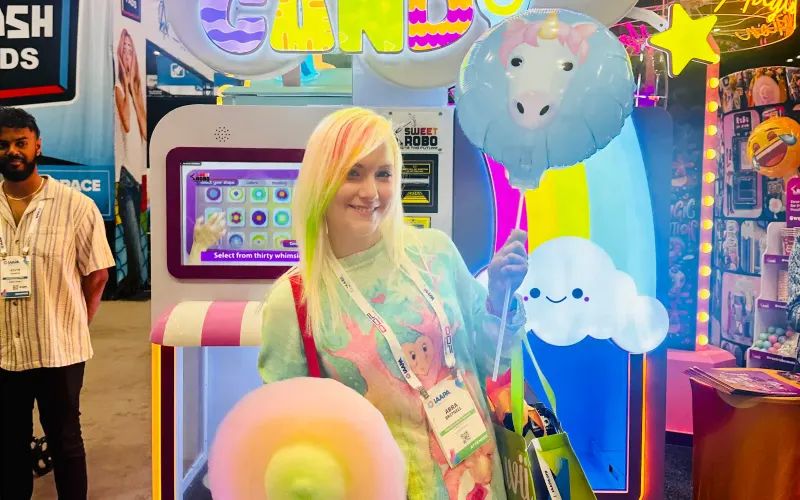
What makes robotic machines different from ordinary vending is how they sell. The product is made fresh in front of the customer, and the machine is a small piece of theater - people stop to watch a robot spin cotton candy or build an ice cream cup. That “retailtainment” effect can turn a passer-by into a buyer. It doesn’t guarantee anything, though: a show in an empty hallway still has no audience.
The five things that drive sales
- Location. Where the machine stands decides who sees it. A machine on the main walking path is seen by far more people than the same machine 20 feet off to the side. Our guide to where to put a vending machine covers what to look for in a venue.
- Foot traffic and audience. It’s not just how many people pass, but who they are and whether they have time to stop. Treat machines tend to do best where kids and families gather and linger. A busy corridor full of people rushing to a train can do worse than its head count suggests.
- Season and timing. Summer, school holidays, weekends and local events lift some venues; others go quiet. An outdoor spot that’s packed in July can be empty in January, and cotton candy and ice cream follow the weather and the calendar.
- The product and the price. A fresh, made-to-order treat supports a higher price per serving than a canned drink, and choices - flavors, colors, shapes - give people a reason to buy and to come back. Price it too high and people watch without buying; too low and each sale leaves you less.
- The operator. How the machine is run: restocked before it runs out, cleaned so it looks inviting, monitored so faults get fixed fast, and set up so people can see it work. An empty or offline machine sells nothing, however good the venue.
Robotic vs. traditional vending: how the model differs
A traditional vending route sells pre-packaged, low-margin items and depends on volume across many machines. A robotic treat machine works differently: fewer machines, a fresh product with a higher price per serving, and a live experience that draws people in.
The cost structure is different too. Because the machine is fully automated and needs no on-site staff, there’s no wage bill. Your recurring costs are mainly the rent you agree with the venue, supplies, payment fees and upkeep. That’s a different equation from a food truck or a staffed kiosk, where labor is usually the largest ongoing expense. Lower running costs don’t mean guaranteed sales, though - if a venue is slow, the rent is still due.
It also differs from a franchise: no royalties, no employees to hire and manage, and a lower entry cost. If you want the full picture of how the business runs day to day, see our guide to the robotic vending machine business.
Want to see one of these machines up close?
Talk to a specialistWhat it costs to start
According to Sweet Robo, a machine can start as low as around $4,000 - far below a food truck or franchise. Beyond the machine itself, budget for venue rent, supplies, card-payment fees, insurance and upkeep. Those are the numbers you can actually pin down before you buy; sales are not.
Sweet Robo backs the hardware with setup, training, maintenance support, and a US-based support team, which matters because a machine that’s down can’t sell anything. (If you’re weighing the company itself, we wrote an honest look at whether Sweet Robo is reliable.)
Sales and profit are never guaranteed. Results vary widely: by location, season and how the machine is run. Some machines do very well and some don’t.
How to give a machine its best chance
- Choose the venue carefully. A great venue with an average machine usually beats a great machine in a poor venue.
- Match the machine to the crowd. Kids and families → cotton candy, ice cream, popcorn. Browse the full lineup of robotic machines to fit the venue.
- Keep it stocked and running. A few hours a week of restocking and remote monitoring keep the machine selling; an empty or offline machine sells nothing.
- Let people see the show. The live “robot makes your treat” moment is the machine’s best marketing - put it where people can watch it work.
- Plan for the slow months. Expect busy and quiet stretches, and make sure your costs still work in the quiet ones.
Frequently asked questions
How much does a robotic vending machine make?
There’s no typical figure, and Sweet Robo doesn’t publish one. Sales depend on the location, foot traffic, season, product, price and how well the machine is run. Results vary widely: some machines do very well and some don’t.
Are robotic vending machines profitable?
Some are and some aren’t. The machine runs with no on-site staff, so there’s no wage bill, but rent, supplies, fees and upkeep are due whether it sells a lot or a little. Whether a machine turns a profit depends mostly on the venue, the season and how it’s run.
How much does it cost to start a robotic vending machine business?
Sweet Robo says a machine can start as low as around $4,000 - a fraction of a food truck or franchise, with no employees to hire. Exact pricing depends on the machine and configuration; confirm the current entry price with Sweet Robo.
How much time does it take to run one?
Operators typically spend a few hours a week per machine on restocking, cleaning and quick checks, because the machine handles payment, production and remote monitoring on its own. It’s low-touch, but it is still work - not income on autopilot.
What earns more, a robotic machine or a regular vending machine?
It depends on the venue more than the machine type. A robotic treat machine sells a fresh product at a higher price per serving and draws attention with its live “show”; a traditional machine sells cheaper pre-packaged items and relies on volume. Neither is guaranteed to do well - the location and the operator decide more than the hardware.
Want to understand the business side before you decide? Explore the robotic vending machine business or start with our buyer’s guide to the best cotton candy vending machine.